
Your Real Estate Journey Starts Here
Whether you are a first-time homebuyer, a seasoned investor, or a homeowner ready to sell, navigating the real estate market can feel overwhelming.
This comprehensive guide walks you through every stage of the home buying and selling process, giving you the knowledge and confidence to make smart decisions in today’s market.

Getting Ready to Buy a Home
Assess Your Financial Health
Before you start browsing listings, take an honest look at your finances. Lenders will evaluate your credit score, debt-to-income ratio, employment history, and savings.
- Check your credit score and dispute any errors
- Pay down high-interest debt where possible
- Save for a down payment — typically 3% to 20% of the purchase price
- Build an emergency fund for unexpected home expenses
- Get pre-approved (not just pre-qualified) for a mortgage
Define Your Must-Haves
Make a list of non-negotiables versus nice-to-haves. This keeps you focused and prevents you from overpaying for features you do not truly need.

Understanding the Real Estate Market
Real estate is hyper-local. A seller’s market in one neighborhood can coexist with a buyer’s market in another. Understand these key indicators:
- Days on Market (DOM): Lower means higher demand
- List-to-sale price ratio: Above 100% indicates competitive bidding
- Inventory levels: Less than 3 months of supply favors sellers
- Interest rate trends: Directly impact your monthly payment and buying power
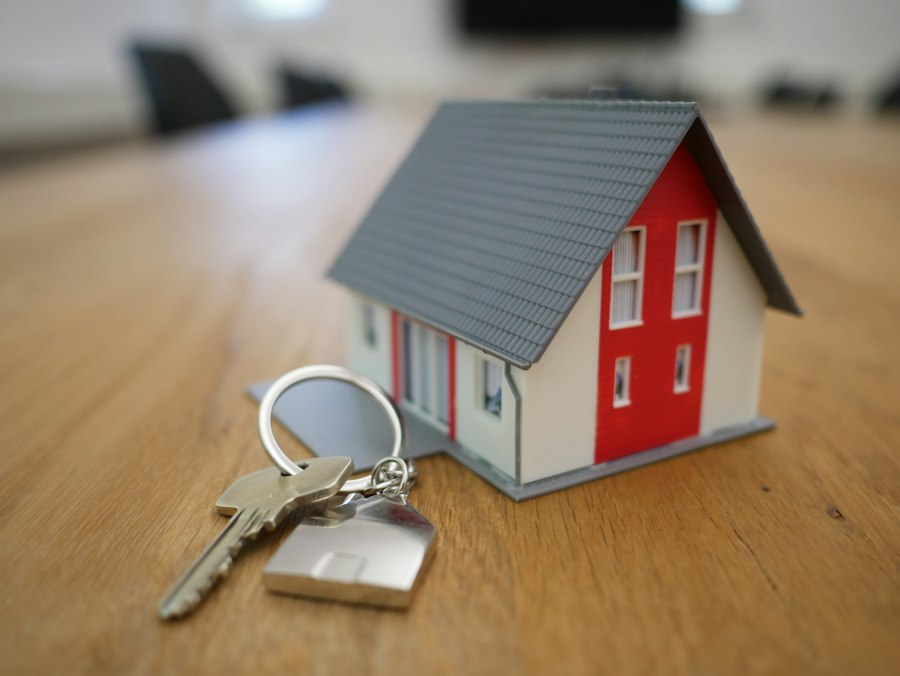
Working With a Real Estate Agent
A good buyer’s agent costs you nothing — their commission is typically paid by the seller. Look for someone who:
- Specializes in your target neighborhoods
- Has strong negotiation skills and a track record
- Communicates proactively and promptly
- Understands your timeline and priorities
Interview at least two or three agents before committing. Ask about recent transactions and their approach to multiple-offer situations.
Making a Strong Offer
In competitive markets, your offer needs to stand out. The highest price is not always the winner — terms, timing, and contingencies matter just as much.
- Offer above asking price based on comparable sales (comps)
- Limit contingencies where appropriate — but never skip the inspection
- Write a personal letter to the seller (where legally permitted)
- Be flexible on closing dates to accommodate the seller’s timeline
- Use an escalation clause to automatically outbid competitors up to a set cap
The Closing Process
Once your offer is accepted, the real work begins. Here is what happens between contract and keys:
- Home inspection: Hire a licensed inspector — never skip this step
- Appraisal: Your lender orders this to confirm the home’s value
- Title search: Ensures the seller has the legal right to sell
- Final walkthrough: Confirm the property is in the agreed condition
- Closing disclosure review: Review all loan terms and costs carefully
Closing costs typically run 2% to 5% of the loan amount. Budget for these in addition to your down payment.
Selling Your Home Successfully
Pricing Your Home Right
Overpricing is the number one mistake sellers make. Homes that sit on the market grow stale and often sell for less than they would have at the right price from day one.
- Recent sales of comparable homes in your area
- Current active competition on the market
- Your home’s unique features and upgrades
- Local market velocity (how quickly homes are selling)
Evaluating Offers as a Seller
The highest offer is not always the best. Evaluate financing type, contingencies, closing timeline, and the size of the earnest money deposit.


Staging Your Home to Sell Faster
Buyers decide within seconds whether they can picture themselves in a home. Professional staging can increase your sale price by up to 10%.
- Declutter every room — less is more
- Deep clean including windows, grout, and appliances
- Apply fresh neutral paint where needed
- Maximize natural light by opening blinds
- Create curb appeal with a tidy lawn and welcoming front door
- Depersonalize — remove family photos and personal collections
Marketing Your Listing
Great photos sell homes. Insist on professional photography, and ask your agent about virtual tours, drone footage, and social media promotion. Your listing should appear on MLS, Zillow, Realtor.com, and your agent’s website at minimum.
Ready to Make Your Move?
Buying or selling a home is one of the largest financial decisions you will ever make. With the right team and strategy, it can also be one of the most rewarding.
Get a Free Consultation